School of Design & Environment
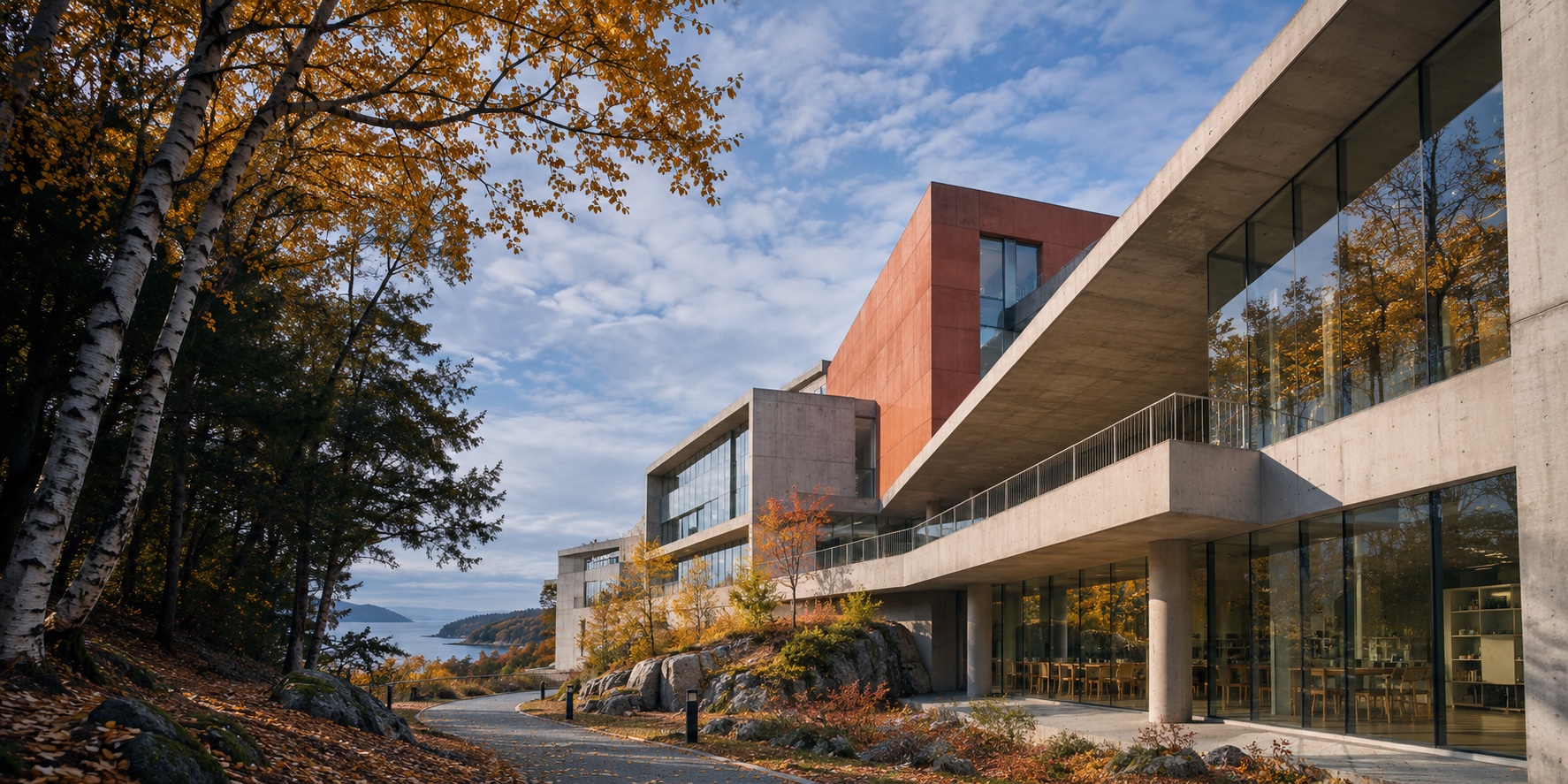
Start where land meets sea.
We study the places where water, infrastructure and daily life meet, then test what better futures could look like.
Explore the instituteResearchers
Research fellow
School of Design & Environment
Assistant professor
School of Design & Environment
Lecturer
School of Design & Environment
Professor
School of Design & Environment
Associate professor
School of Design & Environment
Lecturer
School of Design & Environment
Associate professor
School of Design & Environment
Professor
School of Design & Environment
Research reports
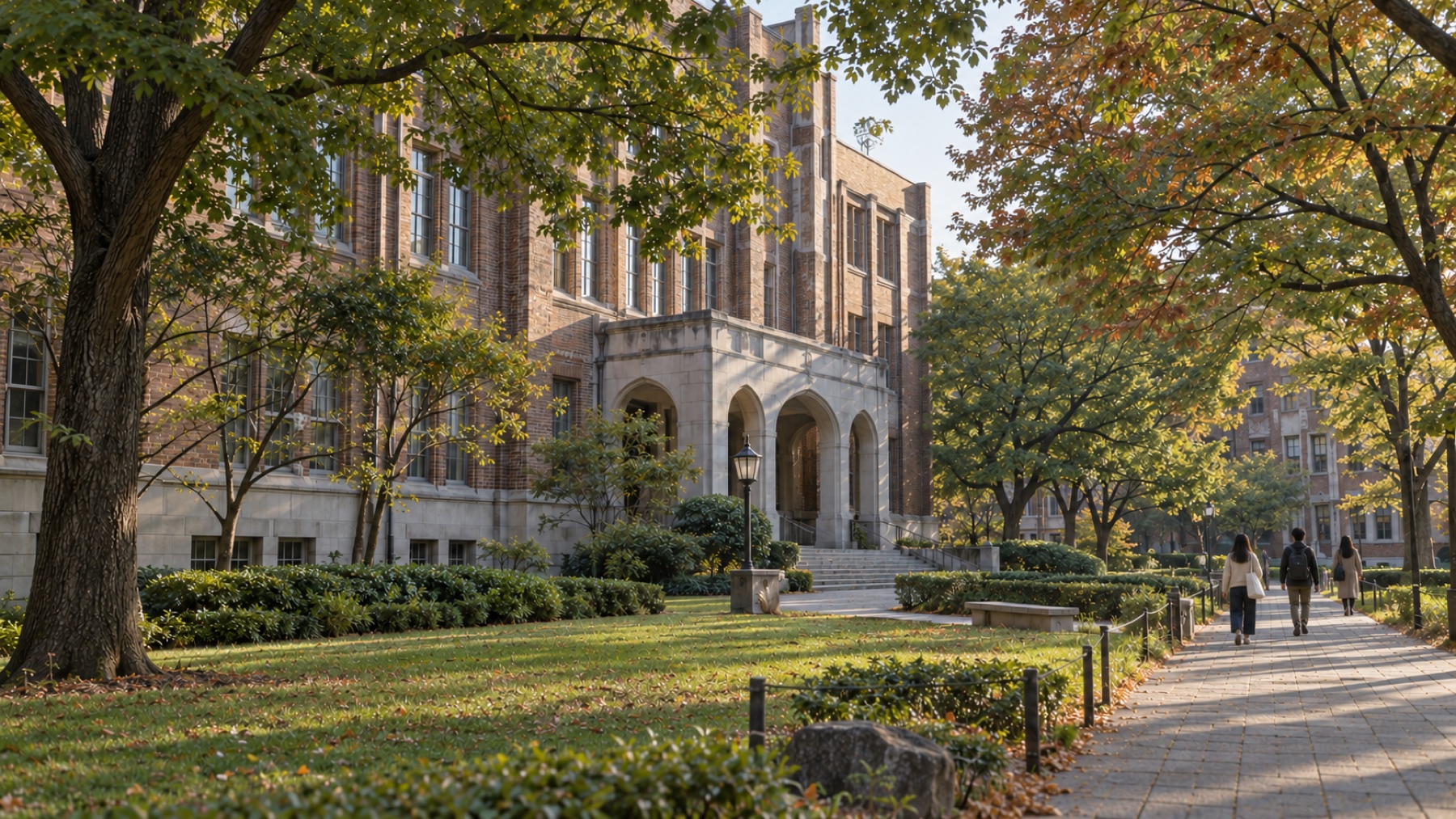
Legibility of public maps
We compared route identification times on monochrome and colour maps. Consistent labels and symbols helped readers identify routes even at differ
Headland vegetation and wind corridors
We logged slope, plant height, and wind speed at matching times. Later readings will repeat stations where wind changes at gaps in the shrub line
Rain shelter at local bus stops
On rainy days we compared the dry area for closing umbrellas with boarding positions. New layouts will accommodate both waiting queues and wheelc
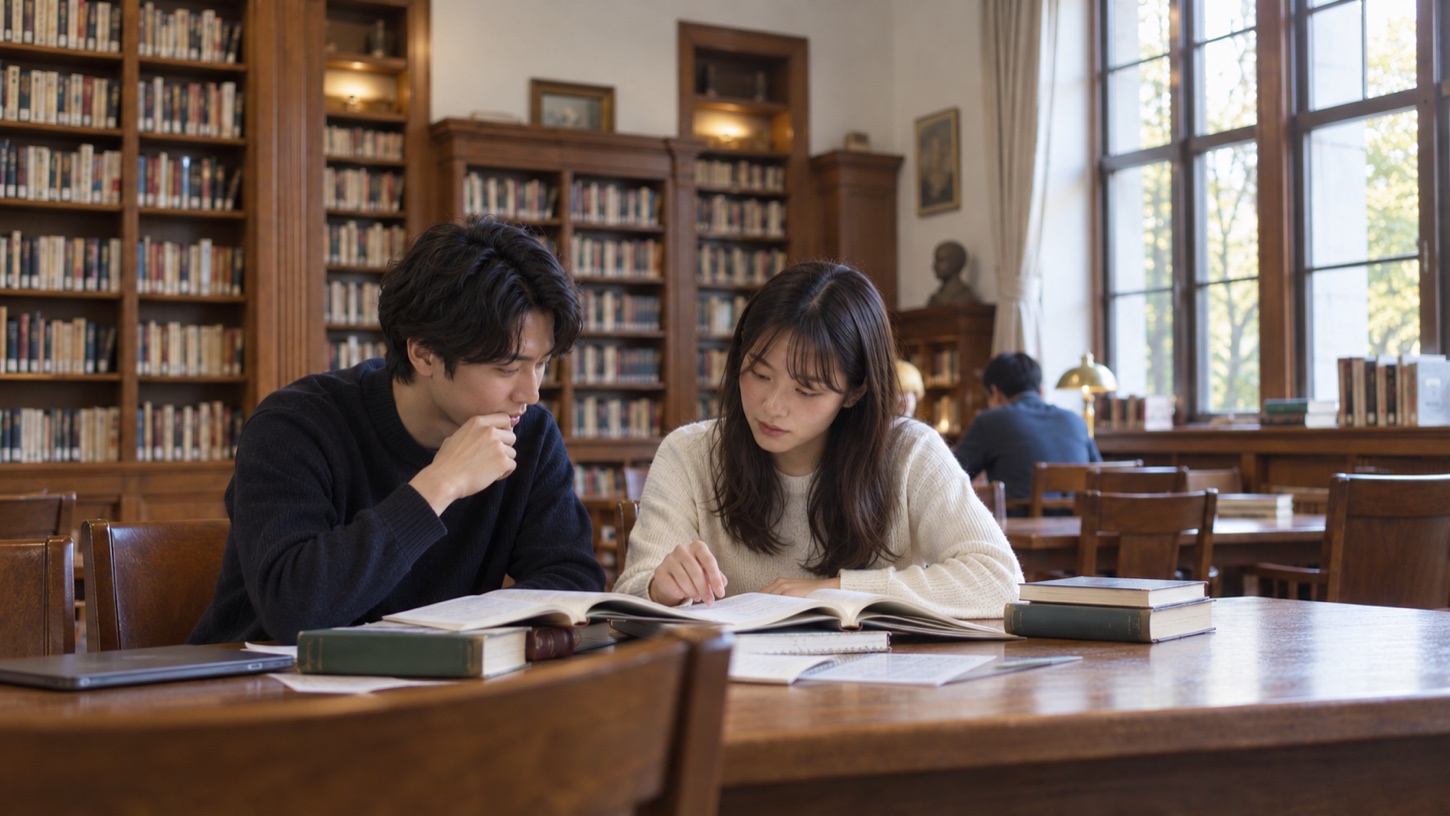
Acoustic conditions in the library and pier
We separated peak sounds from continuous background sound during busy and quiet periods, then mapped sound sources against wind direction.
Drainage time in rain gardens
We timed how long water depth took to halve in planted plots. Recording soil moisture from the previous day would make comparisons more consisten
Reading community observation notebooks
We compared timestamps and reference marks across three groups’ tide logs. A revised form distinguishes missing observations from observations wi
Adaptation options for former warehouses
We mapped loading doors, beam spacing, and pavement steps. Three reuse options—exhibition, workshop, and storage—are compared by access time and
Sea fog and cycling routes
We measured where cyclists could first see signs at three locations on foggy mornings. The next survey will focus on the sightline change just be
Delivery routes on Market Street
We logged unloading points and pedestrian detours before opening. Moving one stop away from the corner could improve clearance for longer periods
Surface temperature beside the canal
Hourly readings compared sunny and shaded paving. Dark surfaces stayed warmer in the afternoon, with the cooling effect varying along the tree ca
Recording stranded material on a beach
We recorded seaweed, wood, and manufactured materials in 20-metre segments. We mapped the high-water mark so a later study can match tide conditi
Time spent at the ferry shelter
We counted passengers every three minutes starting 20 minutes before departures. Wind-protected seats filled readily even farther from the boardi